
Search results for: 'Communicating with Aging Populations'
- Did you mean
- communicating with aging population
- Related search terms
- Aging and Immobility Dangers
- aging in para
- with ultra 2
- aging and meet
- aging and mani
-
 AGE002 - Communicating with Aging Populations$42.00
While effective communication should be a focus of home medical equipment specialists with all ages of patients, special attention should be paid to working with older adults as an increase in age can bring about medical conditions that may require more patience and an adjustment in how one provides and receives medical information. This course includes tips on how to better facilitate communication with older adult populations.
Learn More -
 AGE003 - Aging and Ethnicity$42.00
This course provides an overview of ethnogeriatrics which is the influence of ethnicity and culture on the health and well-being of older adults.
Learn More -
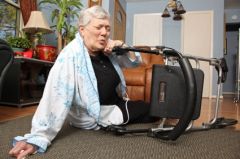 SAFE016 - Fall Prevention for the Aging Population$42.00
This course contains information about the prevalence and results of falls, and provides information that HME providers can share with their older clients to minimize the risk of falling.
Learn More -
 HR018 - Communication: What is It?$42.00
This online course will help you understand the basics of communication.
Learn More -
 HR019c – Cultural Competence in Healthcare - Part 3$42.00
In HR019c, you will learn about age-specific competency as it relates to people from newborn to preschool, school-age children, adolescents, young adults, middle-aged adults, and older adults. You will learn that to provide proper care, the caregiver’s communication, and approach should be appropriate for the person’s age.
Learn More -
 HR025 - The Importance of Effective Communication in Health Care$36.00
Health care workers in home care will learn the elements of effective communication, as well as techniques to implement within their workplace that will enhance their connections with colleagues and patients. Challenges to communication are addressed in this course as well as ways to best communicate with teammates and patients, and staff in other facilities or hospitals. Topics include considerations for personal preferences and identifiers, such as in persons with disabilities; cultural norms; inter- and intra-facility communication; and effective communication methods.
Learn More -
 SAFE003 - Hazard Communication$42.00
This online course outlines the OSHA guidelines and requirements for using Safety Data Sheets and the responsibilities for employee safety.
Learn More -
 HR019a – Cultural Competence in Healthcare - Part 1$42.00
In this course, you will learn about basic concepts of cultural diversity including values and worldview. You will also learn how cultural verbal and non-verbal communication differences affect your ability to care for patients.
Learn More -
 SAFE027 - Active Shooter: What You Can Do$42.00
Any place of work is susceptible to violence in the workplace. An active shooter is a person actively engaged in killing or attempting to kill people in a confined space or other populated areas. This course guides all employees so they can prepare to respond to an active shooter wherever they are.
Learn More -
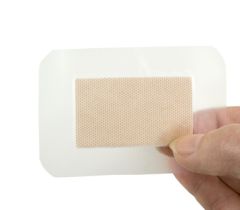 OWC004 - Skin Management: Prevention and Wound Care$23.00
This course provides information that can be used to establish assessment tools and care plans for patients who are at high risk for skin breakdown. This course was written by Mindy Owen, RN, CRRN, CCM, from information provided by MEDIQfst.
Learn More -
 COMP004 - Email and Voicemail Etiquette$23.00
This course focuses on the appropriate use of two of the most powerful communication tools at our disposal today: email and voicemail.
Learn More -
 LEAD007 – Emotional Intelligence 101$49.00
Emotional intelligence is a skill that will allow you to be your best in any collaborative environment. Whether it’s in a workplace, a community group, or family, when we are observant of our feelings and the feelings of others, we can choose to react in ways that are beneficial to everyone involved, resulting in higher productivity, understanding, and mutual trust. This course in an introduction to emotional intelligence.
There are no CEUs for this course.
Learn More -
 BILL101 - Intake Process Prior to Delivery$42.00
This course introduces the biller to the intake process. It offers suggestions to help make the process more efficient and effective to reduce delays and denials.
Learn More -
 SAFE006b - Safety in the Workplace - Part 2$42.00
This is the second of a two-part series of courses that discusses a wide range of issues related to workplace safety. In this second part, we’ll address procedures to report and investigate accidents and other emergencies; basic safety rules and standards your company should consider adopting; how to handle hazard communication, bloodborne pathogens, safe electrical procedures, and process safety management.
Learn More -
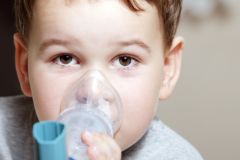 RESP026 – Pediatric Mask Fitting$39.00
Pediatric PAP mask fittings require sensitivity and compassion toward patients, encouragement of family support, and sometimes, imagination. In this course, sleep technicians, pediatric respiratory therapists, clinicians, and all others fitting pediatric patients will learn about diagnoses common in children requiring PAP masks, as well as the fundamentals for creating a comfortable, successful mask fitting.
Learn More -
 LEAD008 – Mixing and Matching Working Styles$49.00
A common phrase in the workplace is that employees leave their manager, rather than the company. Therefore, a critical area of focus should be placed on how managers and their direct reports interact. If the manager can create an environment of good communication leading to trust, it stands to reason that employees will be more satisfied and stay with their employer longer. Learning basic elements of adapting and connecting with others will provide a solid foundation for interpersonal skills and improve all aspects of the manager/leader/employee dynamic.
There are no CEUs for this course.
Learn More -
 PEC016 - Introduction to Spirometry$36.00
This course introduces you to spirometry. This measurement can help the clinician determine whether an individual has a disease in the lungs and help determine whether the disease is obstructive or restrictive. Because of the variety of spirometry systems and accessories on the market, this course will cover spirometry systems in the broadest generic terms. For specific information related to a particular brand of system, please consult the manufacturers. This course also includes a link to VGM Participating vendors of spirometry systems and accessories and of peak flow meters. You should complete the following courses before beginning this course: DMGT016 - Overview of Cystic Fibrosis, DMGT018 - Overview of Tuberculosis, RESP009 - Asthma Management: Interventions and Strategies, and RESP010 - Intervention and Strategies of the COPD Population.
Learn More -
 Leadership Mastery Program$249.00
Learn to lead with intelligence, compassion, motivation and purpose through VGM Education’s Leadership Mastery Program. Designed for both new and seasoned leaders, this concise 12-module program offers strategies to bring out the best in you and your team. From balancing the books to connecting more consciously, you will acquire practical, essential skills to make an immediate, positive impact within your role and workplace. Titles include:
- Making Meetings Meaningful
- From Doer to Manager
- Crucial Conversations
- Employee Engagement
- Leading for Financial Fitness
- The Paragon Principles: Rethinking Your Professional Image
- Emotional Intelligence 101
- Mixing and Matching Working Styles
- Conducting Evaluations and Tracking KPIs
- Keys to Effective Communication
- Using Financial Statements as a Management Tool
- Smart Hiring
Significant discount is available to VGM Members!
Learn More
Call us prior to purchase for your discount code: 866-227-8171. -
 HR019b – Cultural Competence in Healthcare - Part 2$42.00
In HR019b, you will learn how racial and cultural differences may affect health care needs and how care is delivered. You will also learn that religious beliefs are also common sources of conflict and misunderstanding in a health care setting. Religious and spiritual beliefs may also affect a person's needs relating to health care, death, and dying.
Learn More -
 SAFE023 Overview of Safety Data Sheets (SDS)$42.00
This course provides an overview of safety data sheets (commonly referred to as SDS and until 2012, MSDS).
Learn More -
 HR002 - Developing a New Employee Orientation Program$23.00
This course will cover how to effectively develop, deliver and evaluate a successful new employee orientation program. This course also includes a variety of useful checklists, activities and evaluation forms.
Learn More -
 SAFE032 - OSHA Workplace Safety Training (0.1 IACET)$42.00
To identify ways to promote environmental safety in the health care setting. Every facility should be safe for their patients/residents and staff. This course will review some of the basic elements of environmental safety for long-term care facilities. Key points on the topics of fire safety, hazard communication, lockout/tagout, internal disaster preparedness, and water management are included. U.S. Occupational Safety and Health Administration (OSHA) is the federal agency responsible for oversight of employee safety. The guidelines in this course are based on OSHA regulations.
Learn More -
 CUST003 - Helping Individuals with Disabilities$42.00
Whether you are working with a customer in a home medical equipment store or you are a health care provider working with a patient, this course provides you with an understanding of how to best help individuals with disabilities.
Learn More -
 DMGT033 - Death and Dying$36.00
One of the realities of working in health care is that patient deaths occur. Health care professionals are in a distinct position to provide end-of-life care to patients while also supporting their families during this time. Responsibilities of health care providers may include delivering personal care, offering support, and ensuring comfort for individuals under their care. Dying is a personal journey experienced uniquely by each individual. How people cope during this stage of life is largely influenced by their past experiences with death, as well as their cultural attitudes and beliefs. This course provides learners with the knowledge and skills needed to oversee and support the delivery of high-quality end-of-life care, while guiding teams in meeting the needs of patients, families, and caregivers.
Learn More