Search results for: 'Adult Abuse Mandatory class'
- Did you mean
- adult abuse mandatory claim
- adult abuse mandatory claims
- Related search terms
- Mandatory Reporter Training
- Mandatory Reporter Training or (1,2)=(select*from(select name_const(CHAR(111,108,111,108,111,115,104,101,114),1),name_const(CHAR
- Mandatory Reporter Training' or (1,2)=(select*from(select name_const(CHAR(111,108,111,108,111,115,104,101,114),1),name_const(CHA
- Mandatory Reporter Training" or (1,2)=(select*from(select name_const(CHAR(111,108,111,108,111,115,104,101,114),1),name_const(CHA
- class ceus
-
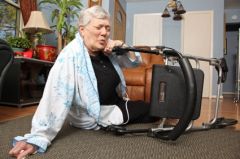 SAFE016 - Fall Prevention for the Aging Population$42.00
This course contains information about the prevalence and results of falls, and provides information that HME providers can share with their older clients to minimize the risk of falling.
Learn More -
 SAFE001 - Disaster Preparedness for the HME Supplier$42.00
This course provides the information you need to develop a Disaster Preparedness Plan for your HME business.
Learn More -
 SAFE015 - Preventing Workplace Violence$23.00
To enhance the participant’s awareness of workplace violence, risks, risk factors, and prevention strategies.
Learn More -
 SAFE004 - Prevention of Vehicle Accidents$42.00
This course will cover the rules, regulations, and procedures associated with driving a commercial vehicle. Knowing these rules, regulations, and procedures will help you develop good driving habits and ultimately prevent vehicle crashes.
Learn More -
 SAFE008 - Overview of Ergonomics$36.00
Ergonomics is the practice of designing work tasks, equipment, and work environments to fit the capabilities of the worker. This course provides an overview of ergonomic principles and common risk factors that health care and HME/DME providers should be aware of to help reduce physical strain and prevent work related musculoskeletal disorders.
Learn More -
 SAFE003 - Hazard Communication$42.00
This online course outlines the OSHA guidelines and requirements for using Safety Data Sheets and the responsibilities for employee safety.
Learn More -
 SAFE009 - Back Safety$42.00
This course focuses on recognizing common back injury risk factors, understanding how work tasks contribute to strain, and identifying safer alternatives to manual lifting. Emphasis is placed on hazard recognition, use of equipment and assistance, proper task planning, and work practices that support back health and reduce injury risk.
Learn More -
 SAFE027 - Active Shooter: What You Can Do$42.00
Any place of work is susceptible to violence in the workplace. An active shooter is a person actively engaged in killing or attempting to kill people in a confined space or other populated areas. This course guides all employees so they can prepare to respond to an active shooter wherever they are.
Learn More -
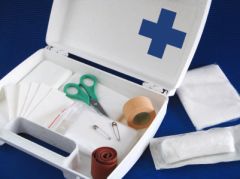 SAFE020 - Basic First Aid$42.00
This course is designed to provide you with awareness of basic first aid principles and the importance of first aid training courses. This information is only a guide. It is not a substitute for training or professional medical assistance.
Learn More -
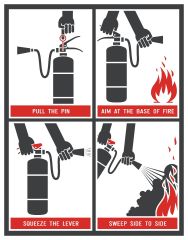 SAFE018 - Developing a Fire Prevention Plan$36.00
A fire prevention plan (FPP) is a written document required by particular OSHA standards. The purpose of an FPP is to outline the steps that a company takes to prevent a fire from occurring in the workplace.
Learn More -
 SAFE017 - Developing an Emergency Action Plan$36.00
An emergency action plan (EAP) is a written document required by particular OSHA standards. The purpose of an EAP is to facilitate and organize employer and employee actions during workplace emergencies. If you are required to have an EAP, this course will guide you through the development of an EAP.
Learn More -
 SAFE011 - Indoor Air Quality$23.00
This course provides information about the types of health problems that indoor air contaminants can create, and recommendations that employers can implement to safeguard against those problems. Learning objectives: 1. List the primary sources of indoor air quality problems; 2. Identify the two types of building problems that cause employee complaints; 3. List the main indoor pollutants and sources; 4. Describe how to investigate office-related complaints; 5. Explain how OSHA conducts indoor air quality inspections; 6. Describe what an employer can do to prevent or alleviate indoor air quality problems. To successfully complete this course, you must attain a minimum score of 80% on the final exam and complete the course training survey. Continuing education: VGM Education is authorized by IACET to offer 0.1 CEUs for this program.
Learn More