
Search results for: 'complet seating and while mobility biomechanics'
- Did you mean
- complet seating and where mobility biomechanics
- Related search terms
- mobility assessment program
- completed courses
- seating equipment
- complet seating and wheel mobility biomechanics
- complet seating and where mobility biomechanics
-
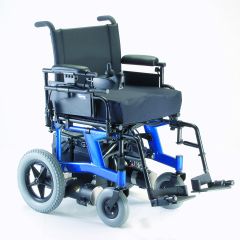 BILL110 - Power Mobility Devices: Understanding the Process$42.00
This course explains how to bill Medicare for power wheelchairs and scooters (POVs), collectively referred to as power mobility devices (PMDs), and what documentation is required.
Learn More -
 DMGT001 - Disease Management Programs$36.00
Disease management is one approach that aims to provide better care while reducing the costs of caring for the chronically ill. This course was provided by the Center on an Aging Society.
Learn More -
 COMP003 - Electronic Communications$23.00
Electronic technology in the form of email and the Internet has transformed the workplace in more ways than anyone could have imagined 20 years ago. These technological advances, while beneficial, pose special problems for employers.
Learn More -
 DMGT033 - Death and Dying$36.00
One of the realities of working in health care is that patient deaths occur. Health care professionals are in a distinct position to provide end-of-life care to patients while also supporting their families during this time. Responsibilities of health care providers may include delivering personal care, offering support, and ensuring comfort for individuals under their care. Dying is a personal journey experienced uniquely by each individual. How people cope during this stage of life is largely influenced by their past experiences with death, as well as their cultural attitudes and beliefs. This course provides learners with the knowledge and skills needed to oversee and support the delivery of high-quality end-of-life care, while guiding teams in meeting the needs of patients, families, and caregivers.
Learn More -
 AGE002 - Communicating with Aging Populations$42.00
While effective communication should be a focus of home medical equipment specialists with all ages of patients, special attention should be paid to working with older adults as an increase in age can bring about medical conditions that may require more patience and an adjustment in how one provides and receives medical information. This course includes tips on how to better facilitate communication with older adult populations.
Learn More -
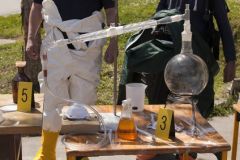 HR017 - Meth and Selling Scheduled Listed Chemical Products$36.00
Methamphetamine addiction has grown to epidemic proportions in the United States. Chemicals used to make meth include ephedrine, pseudoephedrine, and phenylpropanolamine which are found in many cough and cold products and are known as “scheduled listed chemical products” (or SLCPs). Recent federal legislation requires all “regulated sellers” of products containing these three products to self-certify with the Drug Enforcement Administration (DEA) before selling the products. While this course does not satisfy the DEA's self-certifying requirement, it does provide the information the DEA requires in order to self-certify.
Learn More -
 BILL105 - Frequently Ordered DME$42.00
This course will address Medicare coverage for several frequently ordered durable medical equipment products. This course will also explain the process of billing Medicare for capped rental items and inexpensive and routinely purchased items.
Learn More -
 SAFE012a - Ergonomics: Computer Workstations - Part 1$23.00
This course is the first of a 3-part series that illustrates simple, inexpensive principles that will help you create a safe and comfortable computer workstation.
Learn More -
 DMGT005k Overview of the Urinary System$36.00
This course provides an overview of the urinary system including a discussion of the major disorders that can affect it.
Learn More -
 SAFE003 - Hazard Communication$42.00
This online course outlines the OSHA guidelines and requirements for using Safety Data Sheets and the responsibilities for employee safety.
Learn More -
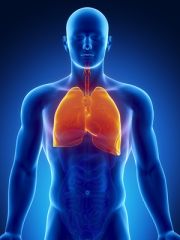 INF006 - TB Training for Health Care Providers$42.00
This course provides information about tuberculosis (TB) that all health care providers should be aware of. You should complete the course “DMGT018 - Overview of Tuberculosis” before completing this course./span>
Learn More -
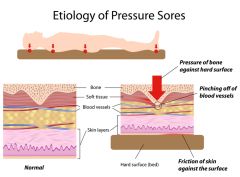 OWC006b - Overview of Pressure Ulcer Etiology - Part 2$23.00
This course will review the National Pressure Ulcer Advisory Panel (NPUAP) staging guidelines of pressure ulcers and the risk factors for developing a pressure ulcer. You should complete Part 1 of this series before starting this course, and you should complete this course before starting Part 3.
Learn More -
 HIP001 - Understanding HIPAA$23.00
This course provides an overview of HIPAA, including the reasons for the law, how it is enforced, how the law has changed over time and how HIPAA relates to the health care industry. You should complete this course before completing part two of this series (“HIP002 - Working with HIPAA”).
Learn More -
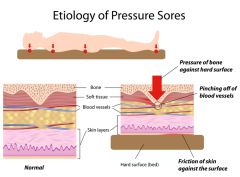 OWC006c - Overview of Pressure Ulcer Etiology - Part 3$23.00
This course will review the basic strategies in the management of pressure ulcers. You should complete Parts 1 and 2 of this series before starting this course.
Learn More -
 ACC003 - Therapeutic Shoe Competency$42.00
This course allows the student to meet accreditation competency requirements for instructing patients on the proper use of therapeutic shoes (often referred to as “diabetic shoes”). This course does NOT meet therapeutic shoe fitting certification required by some states. You should contact your state licensure board to determine if your state requires therapeutic shoe fitting certification. There are many different therapeutic shoes on the market today. This course reviews the standard items taught with all therapeutic shoes. Before completing this course, you should check your accreditation agency’s specific requirements for competency. No continuing education credit is offered for the completion of this course.
Learn More -
 HIP002 - Working with HIPAA$23.00
This course is intended to apply your knowledge of HIPAA basics to the workplace. You should complete part one of this series (“HIP001 – Understanding HIPAA”) before taking this course.
Learn More -
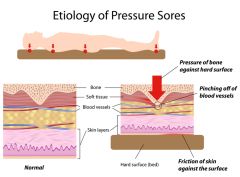 OWC006a - Overview of Pressure Ulcer Etiology - Part 1$23.00
Although ultimately discussion will focus on pressure ulcers, this first part provides foundational knowledge regarding the skin, normal physiology of healing and factors affecting healing and repair. You should complete this series of courses in order: Part 1, followed by Part 2, followed by Part 3.
Learn More -
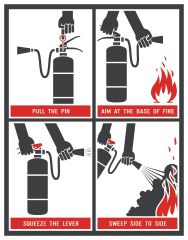 SAFE018 - Developing a Fire Prevention Plan$36.00
A fire prevention plan (FPP) is a written document required by particular OSHA standards. The purpose of an FPP is to outline major fire hazards and the steps that a company takes to prevent a fire from occurring in the workplace. This course is intended to help safety coordinators develop a fire prevention plan that complies with OSHA standards. (Health care employees should take SAFE030 – Fire Safety instead.)
You should complete “SAFE017 - Developing an Emergency Action Plan” before taking this course, and you should complete this course before taking the “SAFE019 – Managing Fire Extinguisher Systems” course.
Learn More -
 DMGT008a - Medical Terminology - Part 1$36.00
This course is based on the Short Course in Medical Terminology written by Dr. William J. Dyche, Professor of Anatomy, Des Moines University - Osteopathic Medical Center. Because these modules build on one another, it is highly recommended that you complete this series in order: Part 1, then Part 2, then Part 3.
Learn More -
 DMGT008b - Medical Terminology - Part 2$36.00
This course is based on the Short Course in Medical Terminology written by Dr. William J. Dyche, Professor of Anatomy, Des Moines University - Osteopathic Medical Center. Because these modules build on one another, it is highly recommended that you complete this series in order: Part 1, then Part 2, then Part 3.
Learn More -
 DMGT008c - Medical Terminology - Part 3$36.00
This course is based on the Short Course in Medical Terminology written by Dr. William J. Dyche, Professor of Anatomy, Des Moines University - Osteopathic Medical Center. Because these modules build on one another, it is highly recommended that you complete this series in order: Part 1, then Part 2, then Part 3.
Learn More -
 224 - BOC Approved Courses$199.00
This collection of 90 courses is approved for continuing education Category 1 credit by the Board of Orthotist/Prosthetist Certification (BOC). Each individual course offers credits upon successfully completing the course. This bundle offers a total of 90 Category 1 Credits by BOC.
Learn More
Please click on the link below for a listing of the courses offered in this bundle.
-
 BILL103 - Orders, CMNs, and DIFS$42.00
This course introduces the various types of orders required by Medicare: Preliminary/Dispensing Order, Written Order Prior to Delivery (WOPD), Standard Written Order (SWO), Certificate of Medical Necessity (CMN), and DME MAC Information Form (DIF). You will learn when to use which type of order, how to correctly complete orders, and who is authorized to order durable medical equipment.
Learn More -
 SAFE033 - Effective Workplace Violence Prevention Programs (0.1 IACET)$42.00
For many years, health care and social service workers have faced a heightened risk of job‑related violence. Assaults and other violent incidents represent serious safety and health hazards within these industries. OSHA’s workplace violence prevention guidelines provide recommendations and best practices to help employers identify risks, implement preventive measures, and reduce the likelihood and severity of workplace violence incidents. (This course is intended for safety coordinators. Health care workers should complete SAFE015 - Preventing Workplace Violence instead.)
Learn More -
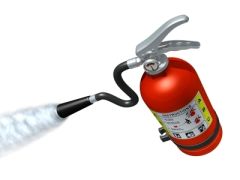 SAFE019 - Managing Fire Extinguisher Systems$42.00
This course covers the use, limitations, and regulatory requirements related to portable fire extinguishers and fixed fire extinguishing systems in the workplace from an employer’s perspective.
This course is designed to be taken in conjunction with:
- SAFE017 – Developing an Emergency Action Plan
- SAFE018 – Developing a Fire Prevention Plan
Together, these courses provide a comprehensive emergency preparedness development program. You should complete SAFE017 and SAFE018 before taking this course.
Learn More