
Search results for: 'Communicating with Aging Populations'
- Did you mean
- communicating with aging population
- Related search terms
- aging in place
- communicating with elderly
- Aging and Immobility Dangers
- aging in para
- with ultra 2
-
 AGE002 - Communicating with Aging Populations$42.00
While effective communication should be a focus of home medical equipment specialists with all ages of patients, special attention should be paid to working with older adults as an increase in age can bring about medical conditions that may require more patience and an adjustment in how one provides and receives medical information. This course includes tips on how to better facilitate communication with older adult populations.
Learn More -
 AGE003 - Aging and Ethnicity$42.00
This course provides an overview of ethnogeriatrics which is the influence of ethnicity and culture on the health and well-being of older adults.
Learn More -
 SAFE016 - Fall Prevention for the Aging Population$42.00
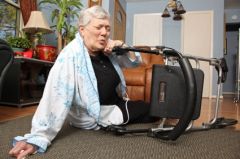
This course contains information about the prevalence and results of falls, and provides information that HME providers can share with their older clients to minimize the risk of falling.
Learn More -
 SAFE003 - Hazard Communication$42.00
This online course outlines the OSHA guidelines and requirements for using Safety Data Sheets and the responsibilities for employee safety.
Learn More -
 DMGT018 - Overview of Tuberculosis$42.00
This course provides an overview of the disease, distinguishing between active and latent TB, and explaining how a person is tested for TB.
Learn More -
 COMP004 - Email and Voicemail Etiquette$23.00
This course focuses on the appropriate use of two of the most powerful communication tools at our disposal today: email and voicemail.
Learn More -
 OWC004 - Skin Management: Prevention and Wound Care$23.00
This course provides information that can be used to establish assessment tools and care plans for patients who are at high risk for skin breakdown. This course was written by Mindy Owen, RN, CRRN, CCM, from information provided by MEDIQfst.
Learn More -
 BILL101 - Intake Process Prior to Delivery$42.00
This course introduces the biller to the intake process. It offers suggestions to help make the process more efficient and effective to reduce delays and denials.
Learn More -
 SAFE006b - Safety in the Workplace - Part 2$42.00
This is the second of a two-part series of courses that discusses a wide range of issues related to workplace safety. In this second part, we’ll address procedures to report and investigate accidents and other emergencies; basic safety rules and standards your company should consider adopting; how to handle hazard communication, bloodborne pathogens, safe electrical procedures, and process safety management.
Learn More -
 HR002 - Developing a New Employee Orientation Program$23.00
This course will cover how to effectively develop, deliver and evaluate a successful new employee orientation program. This course also includes a variety of useful checklists, activities and evaluation forms.
Learn More -
 SAFE032 - OSHA Workplace Safety Training (0.1 IACET)$42.00
To identify ways to promote environmental safety in the health care setting. Every facility should be safe for their patients/residents and staff. This course will review some of the basic elements of environmental safety for long-term care facilities. Key points on the topics of fire safety, hazard communication, lockout/tagout, internal disaster preparedness, and water management are included. U.S. Occupational Safety and Health Administration (OSHA) is the federal agency responsible for oversight of employee safety. The guidelines in this course are based on OSHA regulations.
Learn More -
 CUST003 - Helping Individuals with Disabilities$42.00
Whether you are working with a customer in a home medical equipment store or you are a health care provider working with a patient, this course provides you with an understanding of how to best help individuals with disabilities.
Learn More -
 DMGT033 - Death and Dying$36.00
One of the realities of working in health care is that patient deaths occur. Health care professionals are in a distinct position to provide end-of-life care to patients while also supporting their families during this time. Responsibilities of health care providers may include delivering personal care, offering support, and ensuring comfort for individuals under their care. Dying is a personal journey experienced uniquely by each individual. How people cope during this stage of life is largely influenced by their past experiences with death, as well as their cultural attitudes and beliefs. This course provides learners with the knowledge and skills needed to oversee and support the delivery of high-quality end-of-life care, while guiding teams in meeting the needs of patients, families, and caregivers.
Learn More