
Search results for: 'workers compet'
- Related search terms
- competency exam
- workers come
- workers care
- workers blue sheet
- compet seating and where mobility biomechanics
-
 All115c - Cultural Competence Addressing Individual and Systemic Issues$15.95
Purpose: This is the final part of a three-part series exploring cultures, ethnicities, age-appropriate care, and historical issues that affect the present health care climate. ALL115a covers cultural competency in health care, ALL115b highlights age-specific considerations in health care, and ALL115c addresses past and current issues of the health care industry, such as racism and discrimination, and how to respond as an individual and facility.
In this course, learners will be encouraged to reflect on systemic issues in health care, as well as consider how personal assumptions can influence care. Becoming knowledgeable and more comfortable with often uncomfortable truths, acknowledging differences, and understanding the issues that both health care workers and patients/residents face are steps in breaking down historical barriers and broadening one’s perspectives.
Learn More -
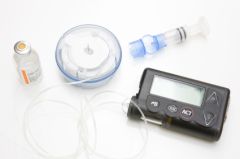 ACC001 - Glucometer Competency$42.00
This course allows the student to meet accreditation competency requirements for instructing patients on the proper use of blood glucose meters (known as “glucometers”). There are many different glucometers on the market today, all with various features. This course reviews the standard items taught with all glucometers. Before completing this course, you should check your accreditation agency's specific requirements for competency. No continuing education credit is offered for the completion of this course.
Learn More -
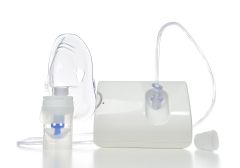 ACC002 - Nebulizer System Competency$42.00
This course allows the student to meet accreditation competency requirements for instructing patients on the proper use of nebulizer systems. There are many different nebulizer systems on the market today, all with various features. This course reviews the standard items taught with all nebulizer systems. Before completing this course, you should check your accreditation agency’s specific requirements for competency. No continuing education credit is offered for the completion of this course.
Learn More -
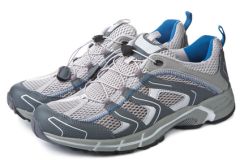 ACC003 - Therapeutic Shoe Competency$42.00
This course allows the student to meet accreditation competency requirements for instructing patients on the proper use of therapeutic shoes (often referred to as “diabetic shoes”). This course does NOT meet therapeutic shoe fitting certification required by some states. You should contact your state licensure board to determine if your state requires therapeutic shoe fitting certification. There are many different therapeutic shoes on the market today. This course reviews the standard items taught with all therapeutic shoes. Before completing this course, you should check your accreditation agency’s specific requirements for competency. No continuing education credit is offered for the completion of this course.
Learn More -
 INF003 - Health Care Workers and Bloodborne Pathogens$42.00
Health care personnel will increase their understanding of the safeguards used to protect themselves and others against the health hazards which can result from exposure to blood and certain body fluids containing bloodborne pathogens.
Learn More -
 HR019c – Cultural Competence in Healthcare - Part 3$42.00
In HR019c, you will learn about age-specific competency as it relates to people from newborn to preschool, school-age children, adolescents, young adults, middle-aged adults, and older adults. You will learn that to provide proper care, the caregiver’s communication, and approach should be appropriate for the person’s age.
Learn More -
 ALL115a - Cultural Competence in Health Care (1.0 HR)$15.95
This is the first part of a three-part series exploring cultures, ethnicities, age-appropriate care, and historical issues that affect the present health care climate. ALL115a covers cultural competency in health care, ALL115b highlights age-specific considerations in health care, and ALL115c addresses past and current issues of the health care industry, such as racism and discrimination, and how to respond as an individual and facility.
Learn More -
 NHA105 - Admin: Cultural Competence and Age-Specific Considerations in Health Care (1.75 HR)$44.95
Health care professionals working in any setting will increase their understanding and skills in providing optimal care to patients from diverse cultures, religious beliefs, and varying age groups.
Learn More
The National Continuing Education Review Service (NCERS) of the National Association of Long Term Care Administrator Boards (NAB) has approved the above named program for continuing education credit. -
 HR019a – Cultural Competence in Healthcare - Part 1$42.00
In this course, you will learn about basic concepts of cultural diversity including values and worldview. You will also learn how cultural verbal and non-verbal communication differences affect your ability to care for patients.
Learn More -
 HR023 - Addressing Individual and Systemic Issues$39.00
In this course, learners will need to look not only at the systemic issues of racism in the health care industry, but also their own biases, prejudices, and influence on patients’ care. Becoming knowledgeable and more comfortable with often uncomfortable truths, acknowledging differences, and understanding the issues that both health care workers and patients face are steps in breaking down historical barriers and broadening one’s perspectives.
Learn More -
 HR019b – Cultural Competence in Healthcare - Part 2$42.00
In HR019b, you will learn how racial and cultural differences may affect health care needs and how care is delivered. You will also learn that religious beliefs are also common sources of conflict and misunderstanding in a health care setting. Religious and spiritual beliefs may also affect a person's needs relating to health care, death, and dying.
Learn More -
 HR025 - The Importance of Effective Communication in Health Care$36.00
Health care workers in home care will learn the elements of effective communication, as well as techniques to implement within their workplace that will enhance their connections with colleagues and patients. Challenges to communication are addressed in this course as well as ways to best communicate with teammates and patients, and staff in other facilities or hospitals. Topics include considerations for personal preferences and identifiers, such as in persons with disabilities; cultural norms; inter- and intra-facility communication; and effective communication methods.
Learn More -
 NUR175 - Cultural Competence and Age-Specific Considerations in Health Care (2.0 HR)$25.95
Health care professionals working in any setting will increase their understanding and skills in providing optimal care to patients from diverse cultures, religious beliefs, and varying age groups.
Learn More -
 ALL107 - The Importance of Effective Communication in Health Care (1.0 HR)$15.95
Health care workers will learn the elements of effective communication, as well as techniques to implement within their workplace that will enhance their connections with colleagues and residents.
Learn More -
 Vent Manual$149.00
VGM Respiratory has developed this Home Ventilation Management Program manual as a guide for companies providing invasive or noninvasive ventilation. This guide contains policy and procedure templates, accreditation standards, documentation and reimbursement information, competency assessments and other helpful forms. There is also a tracheostomy guide included in this manual with specific information on how to care for a child or adult with a tracheostomy.
Learn More -
REG115 - Social Work Ethics (3.0 HR)$35.95
The purpose of this course is to present social workers with a comprehensive understanding of ethical theories, principles, and the application of these principles to social work practice. This course also examines the detailed components of the National Association of Social Workers Code of Ethics (NASW).
Learn More -
 SAFE033 - Effective Workplace Violence Prevention Programs (0.1 IACET)$42.00
For many years, health care and social service workers have faced a heightened risk of job‑related violence. Assaults and other violent incidents represent serious safety and health hazards within these industries. OSHA’s workplace violence prevention guidelines provide recommendations and best practices to help employers identify risks, implement preventive measures, and reduce the likelihood and severity of workplace violence incidents. (This course is intended for safety coordinators. Health care workers should complete SAFE015 - Preventing Workplace Violence instead.)
Learn More -
 HIPAA & Infection Control Compliance Courses$60.00
The HIPAA & Infection Control course bundle contains the following two VGMU courses:
HIP001 - Understanding HIPAALearn MoreThis course provides an overview of HIPAA, including the reasons for the law, how it is enforced, how the law has changed over time and how HIPAA relates to the health care industry. You should complete this course before completing part two of this series (“HIP002 – Working with HIPAA).
INF003 - Health Care Workers and Bloodborne PathogensThis course provides information about how health care workers can minimize the risk of occupational exposure to bloodborne pathogens.
-
 BEHV002 - Understanding Post-Traumatic Stress Disorder$42.00
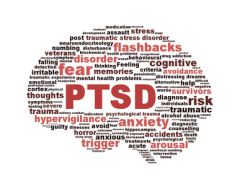
Post-traumatic stress disorder (PTSD) is a dramatic life-altering condition that causes intense feelings of horror, fear, and hopelessness. The purpose of this course is to assist health care workers in identifying symptoms of PTSD and understanding its impact. Topics will also include treatment options as well as in-the-moment techniques to help patients cope with trauma or PTSD symptoms.
Learn More -
 NUR165 - Understanding and Preventing Suicide (1.5 HR)$20.95
Suicide prevention involves a network of individuals providing mental, emotional, and physical support to an individual. This course educates long-term care workers on how to determine if a resident is at risk for suicide, as well as how to appropriately respond, report, and resource.
Learn More -
 HR026 – Implicit Bias in Health Care$42.00
This course informs health care workers on how implicit biases are formed, their causes, and the harm they can create. Methods for recognizing and reducing implicit biases are provided.
Learn More -
 INF001 - Sharps Injury Prevention$15.95
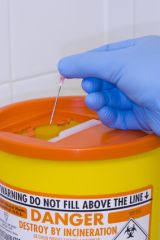
This course provides an overview of health care workers’ roles in preventing needlesticks and other sharp object injuries, and what to do if such an event occurs. The lesson also illustrates how to implement a sharps injury prevention program.
Learn More -
 DMGT041 - Coronavirus (COVID-19)$15.95
Coronavirus (COVID-19) is a novel virus that causes respiratory disease in persons infected, which can range from mild symptoms such as a common cold to more severe diseases – even death. This course provides health care workers with both individual and workplace practices to help prevent the spread of transmission and ultimately keep patients, team members and the public safe.
Learn More -
 ALL101 - Latex Allergy (0.5 HR)$11.95
The health care worker will better understand latex allergy, its causes, those at risk, signs and symptoms of a reaction, diagnosing latex allergy, and proper documentation.
Learn More -
 NHA106 - Implicit Bias in Health Care (0.50 Hours)$15.95
This course informs health care workers on how implicit biases are formed, their causes, and the harm they can create. Methods for recognizing and reducing implicit biases are provided.
The National Continuing Education Review Service (NCERS) of the National Association of Long Term Care Administrator Boards (NAB) has approved the above named program for continuing education credit.
Learn More