
Search results for: 'BILL1-3'
-
 SAFE012c - Ergonomics: Computer Workstations - Part 3$23.00
This course is the third of a 3-part series that illustrates simple, inexpensive principles that will help you create a safe and comfortable computer workstation.
Learn More -
 DMGT008c - Medical Terminology - Part 3$36.00
This course is based on the Short Course in Medical Terminology written by Dr. William J. Dyche, Professor of Anatomy, Des Moines University - Osteopathic Medical Center. Because these modules build on one another, it is highly recommended that you complete this series in order: Part 1, then Part 2, then Part 3.
Learn More -
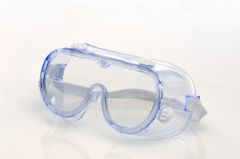 SAFE005c - Personal Protective Equipment - Part 3$23.00
This course explains the importance of protecting your hearing, hands and feet. You should complete this course after completing Parts 1 and 2.
Learn More -
 BUS015c - Avoiding Fraud and Forgery - Part 3$36.00
This course focuses on embezzlement.
Learn More -
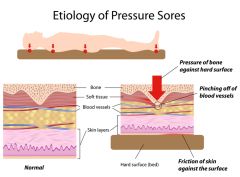 OWC006c - Overview of Pressure Ulcer Etiology - Part 3$23.00
This course will review the basic strategies in the management of pressure ulcers. You should complete Parts 1 and 2 of this series before starting this course.
Learn More -
 HR019c – Cultural Competence in Healthcare - Part 3$42.00
In HR019c, you will learn about age-specific competency as it relates to people from newborn to preschool, school-age children, adolescents, young adults, middle-aged adults, and older adults. You will learn that to provide proper care, the caregiver’s communication, and approach should be appropriate for the person’s age.
Learn More -
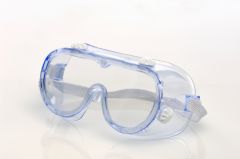 SAFE005b - Personal Protective Equipment - Part 2$23.00
This course explains the importance of respiratory and head protection. You should complete this course after completing Part 1 and before completing Part 3.
Learn More -
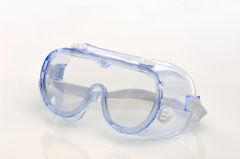 SAFE005a - Personal Protective Equipment - Part 1$23.00
This course defines PPE, explains both your and your employer’s responsibilities in providing and using PPE, and explains why eye and face protection is important. You should complete this course before completing Parts 2 and 3.
Learn More -
 SAFE012b - Ergonomics: Computer Workstations - Part 2$23.00
This course is the second of a 3-part series that illustrates simple, inexpensive principles that will help you create a safe and comfortable computer workstation.
Learn More -
 NUR114 - Stroke (3.0 HR)$35.95
Healthcare professionals will review and learn new information about caring for the stroke patient.
Learn More -
 SAFE012a - Ergonomics: Computer Workstations - Part 1$23.00
This course is the first of a 3-part series that illustrates simple, inexpensive principles that will help you create a safe and comfortable computer workstation.
Learn More -
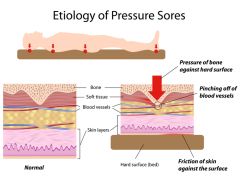 OWC006b - Overview of Pressure Ulcer Etiology - Part 2$23.00
This course will review the National Pressure Ulcer Advisory Panel (NPUAP) staging guidelines of pressure ulcers and the risk factors for developing a pressure ulcer. You should complete Part 1 of this series before starting this course, and you should complete this course before starting Part 3.
Learn More -
 HMOD002 - Independent Living Strategy$15.95
This course – along with part 3 of this series, “HMOD003 - Accessibility Design Solutions” – will guide you through the selling and designing of home modifications using an independent/assisted living strategy.
Learn More -
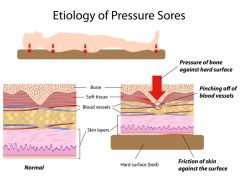 OWC006a - Overview of Pressure Ulcer Etiology - Part 1$23.00
Although ultimately discussion will focus on pressure ulcers, this first part provides foundational knowledge regarding the skin, normal physiology of healing and factors affecting healing and repair. You should complete this series of courses in order: Part 1, followed by Part 2, followed by Part 3.
Learn More -
 NUR137 - Ethical Principles in Nursing (3.0 HR)$35.95
To enhance the nurse’s ability to utilize ethical principles in nursing practice.
Learn More -
REG115 - Social Work Ethics (3.0 HR)$35.95
The purpose of this course is to present social workers with a comprehensive understanding of ethical theories, principles, and the application of these principles to social work practice. This course also examines the detailed components of the National Association of Social Workers Code of Ethics (NASW).
Learn More -
 REHB011 - A Practical Approach to Electrical Nerve Stimulation$23.00
This is the first of a 3-part series of modules designed to assist you in developing a practical approach to using electrical nerve stimulation (ENS) as an important tool in patient care. This series of modules is provided by Rehabilicare.
Learn More -
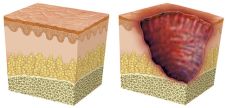 REHB024 - Seating: The Forgotten (Pressure Ulcer) Risk Factor$23.00
This course reviews the impact of seating and positioning on pressure ulcer risk, and examines relevant interventions for prevention. You should complete the 3-course series called “Overview of Pressure Ulcer Etiology” (OWC006a, b and c) before starting this course.
Learn More -
 DMGT008b - Medical Terminology - Part 2$36.00
This course is based on the Short Course in Medical Terminology written by Dr. William J. Dyche, Professor of Anatomy, Des Moines University - Osteopathic Medical Center. Because these modules build on one another, it is highly recommended that you complete this series in order: Part 1, then Part 2, then Part 3.
Learn More -
 NUR175 - Cultural Competence and Age-Specific Considerations in Health Care (2.0 HR)$25.95
Health care professionals working in any setting will increase their understanding and skills in providing optimal care to patients from diverse cultures, religious beliefs, and varying age groups.
Learn More -
 NUR202 - The Nurse Leader and Teamwork (1.5 HR)$20.95
The purpose of this course is to investigate the application of the team within the context of nursing leadership and improve the nurse’s knowledge of effective leadership skills.
Learn More -
 REHB003b - Seating & Mobility: Recommendation and Funding$23.00
This is the second of a three-part series of courses designed to provide an overview to the home medical equipment provider about the seating and mobility provision process: evaluation of the client, equipment simulation, funding requirements, and selecting the proper seating equipment for a particular client. This second part of the series focuses on the simulation and funding processes.
This course contains content specific to pediatrics where appropriate.
You should complete Part 1 of this series (REHB003a - Seating & Mobility: Evaluation) prior to taking this course, and you should complete this course before completing Part 3 (REHB003c - Seating & Mobility: Choosing a Seat Cushion and Back Support).
Learn More -
 REHB003a - Seating & Mobility: Evaluation$23.00
This is the first of a series of three courses designed to provide an overview to the home medical equipment provider about the seating and mobility provision process: evaluation of the client, equipment simulation, funding requirements, and considerations in selection of the proper seating equipment for a particular client. This course contains content specific to pediatrics where appropriate.
You should complete this course before completing parts 2 and 3: REHB003b - Seating & Mobility: Recommendation and Funding and REHB003c - Seating & Mobility: Choosing a Seat Cushion and Back Support.
Learn More -
 DMGT008a - Medical Terminology - Part 1$36.00
This course is based on the Short Course in Medical Terminology written by Dr. William J. Dyche, Professor of Anatomy, Des Moines University - Osteopathic Medical Center. Because these modules build on one another, it is highly recommended that you complete this series in order: Part 1, then Part 2, then Part 3.
Learn More -
 HR027 - Drug-Free Workplace Supervisor Training$25.00
Intended Audience: Location managers, billing managers, marketing/sales managers, regional managers, and other designated managers and supervisors. Use of the term supervisors will be used throughout this training as a generic term to include all in the intended audience.
ObjectivesUpon completion of this course, the participant will be able to:
Learn More
1. Identify ways to recognize evidence of employee alcohol and other drug abuse.
2. Identify how to document employee alcohol and other drug abuse problems.
3. Identify how to conduct appropriate investigations related to substance abuse.
4. Identify how to validate and confront employees with substance abuse problems.
5. Identify ways to effectuate the basic requirements for drug testing.