
Search results for: 'respiratory therapeut competency'
- Related search terms
- therapeutic shoe
- therapeutic shoes
- respiratory courses and credit
- therapeutic sales
- therapeutic sheet
-
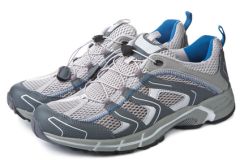 ACC003 - Therapeutic Shoe Competency$42.00
This course allows the student to meet accreditation competency requirements for instructing patients on the proper use of therapeutic shoes (often referred to as “diabetic shoes”). This course does NOT meet therapeutic shoe fitting certification required by some states. You should contact your state licensure board to determine if your state requires therapeutic shoe fitting certification. There are many different therapeutic shoes on the market today. This course reviews the standard items taught with all therapeutic shoes. Before completing this course, you should check your accreditation agency’s specific requirements for competency. No continuing education credit is offered for the completion of this course.
Learn More -
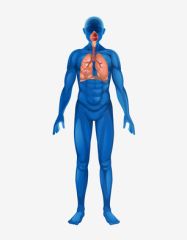 DMGT005b - Overview of the Respiratory System$36.00
The respiratory system is a group of organs and tissues that help humans breathe. The main parts of the respiratory system are the airways, the lungs and linked blood vessels, and the muscles that enable breathing. This course provides an overview of the human respiratory system.
Learn More -
 Vent Manual$149.00
VGM Respiratory has developed this Home Ventilation Management Program manual as a guide for companies providing invasive or noninvasive ventilation. This guide contains policy and procedure templates, accreditation standards, documentation and reimbursement information, competency assessments and other helpful forms. There is also a tracheostomy guide included in this manual with specific information on how to care for a child or adult with a tracheostomy.
Learn More -
 HL19_03 - Wound Care 101: Therapeutic Support Surfaces$49.00
This course is the recorded audio and slides presented by Heather Trumm and Ronda Buhrmester at the Heartland Conference 2019. Topics covered: definitions, reasons why therapeutic support is important, product explanations, and Medicare overview.
Learn More -
 HR019c – Cultural Competence in Healthcare - Part 3$42.00
In HR019c, you will learn about age-specific competency as it relates to people from newborn to preschool, school-age children, adolescents, young adults, middle-aged adults, and older adults. You will learn that to provide proper care, the caregiver’s communication, and approach should be appropriate for the person’s age.
Learn More -
 All115c - Cultural Competence Addressing Individual and Systemic Issues$15.95
Purpose: This is the final part of a three-part series exploring cultures, ethnicities, age-appropriate care, and historical issues that affect the present health care climate. ALL115a covers cultural competency in health care, ALL115b highlights age-specific considerations in health care, and ALL115c addresses past and current issues of the health care industry, such as racism and discrimination, and how to respond as an individual and facility.
In this course, learners will be encouraged to reflect on systemic issues in health care, as well as consider how personal assumptions can influence care. Becoming knowledgeable and more comfortable with often uncomfortable truths, acknowledging differences, and understanding the issues that both health care workers and patients/residents face are steps in breaking down historical barriers and broadening one’s perspectives.
Learn More -
 HR019a – Cultural Competence in Healthcare - Part 1$42.00
In this course, you will learn about basic concepts of cultural diversity including values and worldview. You will also learn how cultural verbal and non-verbal communication differences affect your ability to care for patients.
Learn More -
 HR019b – Cultural Competence in Healthcare - Part 2$42.00
In HR019b, you will learn how racial and cultural differences may affect health care needs and how care is delivered. You will also learn that religious beliefs are also common sources of conflict and misunderstanding in a health care setting. Religious and spiritual beliefs may also affect a person's needs relating to health care, death, and dying.
Learn More -
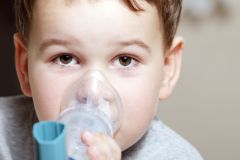 RESP026 – Pediatric Mask Fitting$39.00
Pediatric PAP mask fittings require sensitivity and compassion toward patients, encouragement of family support, and sometimes, imagination. In this course, sleep technicians, pediatric respiratory therapists, clinicians, and all others fitting pediatric patients will learn about diagnoses common in children requiring PAP masks, as well as the fundamentals for creating a comfortable, successful mask fitting.
Learn More -
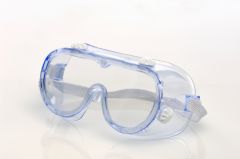 SAFE005b - Personal Protective Equipment - Part 2$23.00
This course explains the importance of respiratory and head protection. You should complete this course after completing Part 1 and before completing Part 3.
Learn More -
 HR021 - Cultural Differences in Death & Dying$36.00
The purpose of this course is to understand the cultural importance of the individual and those directly affected, including family and friends, in dealing with illness and death. As the U.S. becomes more ethnically and racially diverse and culturally complex, there is a need for understanding how to work with individuals who have different values, health beliefs, and perspectives about health and wellness than your own or those you are familiar with.
Continuing Education: VGM Education is authorized by IACET to offer 0.1 CEUs for this program.
Learn More -
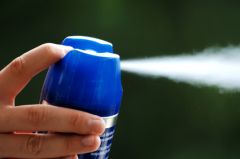 RESP012 - MDI: Aerosol Delivery$23.00
This course contains three separate presentations on inhalation aerosol therapy given at the 1998 AARC International Respiratory Congress Symposium. The course is provided courtesy of Philips Respironics' Asthma & Allergy Division.
Learn More -
 DMGT041 - Coronavirus (COVID-19)$15.95
Coronavirus (COVID-19) is a novel virus that causes respiratory disease in persons infected, which can range from mild symptoms such as a common cold to more severe diseases – even death. This course provides health care workers with both individual and workplace practices to help prevent the spread of transmission and ultimately keep patients, team members and the public safe.
Learn More -
 AGE016 - Aging and Immobility Dangers$42.00
This course provides an overview of how aging affects mobility, including risk factors, complications and dangers of immobility, and details how therapeutic activities can lessen mobility problems.
Learn More -
 ALL115b - Age-Specific Considerations in Health Care$15.95
Purpose: This is the second part of a three-part series exploring cultures, ethnicities, age-appropriate care, and historical issues that affect the present health care climate. ALL115a covers cultural competency in health care, ALL115b highlights age-specific considerations in health care, and ALL115c addresses past and current issues of the health care industry, such as racism and discrimination, and how to respond as an individual and facility.
In this course, health care professionals will increase their understanding and skills in providing optimal care to individuals from varying age groups.
Learn More -
 RESP001a - OSA Diagnosis and Treatment – Part 1$42.00
This is the first in a two-part series of modules which make up a course on obstructive sleep apnea (OSA), a serious breathing disorder characterized by periodic cessation or markedly diminished breathing during sleep. Part 1 explains how OSA is identified and diagnosed.
Learn More -
 RESP001b - OSA Diagnosis and Treatment - Part 2$42.00
This is the second in a two-part series of modules which make up a course on obstructive sleep apnea (OSA), a serious breathing disorder characterized by periodic cessation or markedly diminished breathing during sleep. Part 2 will discuss treatment options, comorbid conditions, and consequences if OSA is untreated.
Learn More -
 RESP011 - Long-Term Management of Sleep-Disordered Breathing$36.00
This course will define sleep-disordered breathing and aspects of long-term management of the patient with this illness.
Learn More -
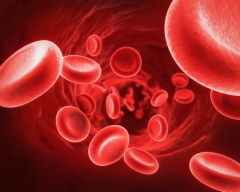 RESP022a - OSA Links to CVD and Diabetes Part 1$36.00
This first part provides an overview of OSA, and reviews results of studies linking OSA to heart disease and diabetes.
Learn More -
 RESP008 - Home Oxygen Therapy$36.00
This course explains what home oxygen therapy is, the types of home oxygen therapy available today, and how the therapy can benefit the patient.
Learn More -
 RESP022b - OSA Links to CVD and Diabetes Part 2$36.00
This second part focuses on the treatment of sleep disordered breathing, and explains how care professionals can improve OSA screening and therapy in their practice.
Learn More -
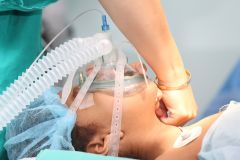 RESP003 - Aerosol Therapy$23.00
This course provides information regarding the purpose, indications, contradictions, and modalities of aerosol therapy.
Learn More -
 HR023 - Addressing Individual and Systemic Issues$39.00
In this course, learners will need to look not only at the systemic issues of racism in the health care industry, but also their own biases, prejudices, and influence on patients’ care. Becoming knowledgeable and more comfortable with often uncomfortable truths, acknowledging differences, and understanding the issues that both health care workers and patients face are steps in breaking down historical barriers and broadening one’s perspectives.
Learn More -
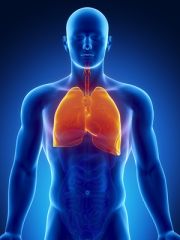 INF006 - TB Training for Health Care Providers$42.00
This course provides information about tuberculosis (TB) that all health care providers should be aware of. You should complete the course “DMGT018 - Overview of Tuberculosis” before completing this course./span>
Learn More -
 HL19 - Wound Care 101 Bundle$100.00
This bundle of 4 courses is the recorded audio and slides presented by Heather Trumm and Ronda Buhrmester at the Heartland Conference 2019. Included in your Wound Care 101 education is an optional 30-minute meeting with Ronda Buhrmester and Heather Trumm to discuss any additional wound care questions. Contact Heather at [email protected] to schedule a meeting.
Learn More