
Search results for: 'hazardous materials transport'
- Related search terms
- hazardous communication
- transport blue
- hazardous materi training
- hazardous material transport
- hazardous materials training
-
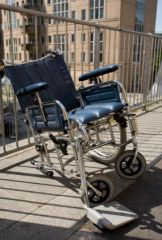 REHB030b - Selecting the Proper Wheelchair Cushion Materials$42.00
This course will delve specifically into the features and benefits of different cushion materials (foams, polymer gels, thermoplastic elastomers, viscous fluids and air) and how they address our cushion goals. You should complete the first part of this series – “REHB030a – Selecting the Proper Wheelchair Cushion Features” – before beginning this course.
Learn More -
 OPS016 - US DOT Handling Compressed Oxygen Driver's Training$42.00
This course is about the United States Department of Transportation’s (DOT) driver’s training as it pertains to the handling and transport of compressed oxygen cylinders in the support of patient care. The first chapter will address the safe handling, transport, and storage of compressed oxygen cylinders. The second chapter will cover the specific rules regarding U.S. DOT laws, such as the Materials of Trade (MOT) exceptions, and the regulations on the transport of compressed oxygen cylinders -- specifically when you are carrying a gross cylinder weight on a vehicle that is less than 1,000 pounds, but greater than 400 pounds.
Learn More -
 SAFE003 - Hazard Communication$42.00
This online course outlines the OSHA guidelines and requirements for using Safety Data Sheets and the responsibilities for employee safety.
Learn More -
 SAFE029 - Occupational Health Hazards$42.00
This course addresses the occupational hazards that can occur in a patient’s home setting and the measures that can be taken to prevent injury should hazards occur.
Learn More -
 SAFE026 - Ladder Safety$42.00
Using ladders can be hazardous. This course describes the various types of ladders and explains how ladders can be used safely at work and at home. The material for this course is provided courtesy of the American Ladder Institute. Learning objectives: 1. Identify the types of ladders available on the market today; 2. Explain how to use each type of ladder safely; 3. Describe how to properly care for each type of ladder. To successfully complete this course, you must attain a minimum score of 80 percent on the final exam and complete the course training survey. Continuing Education: VGM Education is authorized by IACET to offer 0.1 CEUs for this program.
Learn More -
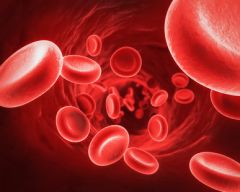 INF003 - Health Care Workers and Bloodborne Pathogens$42.00
Health care personnel will increase their understanding of the safeguards used to protect themselves and others against the health hazards which can result from exposure to blood and certain body fluids containing bloodborne pathogens.
Learn More -
 SAFE007 - Toxicology and Exposure$23.00
This course is a brief study of general toxicological principles to the extent that you may understand and guard against the toxic effects of the materials found in the workplace or job site.
Learn More -
 OPS003 - DOT Driver's Training$23.00
This course is a three-part module about DOT driver’s training.
Learn More -
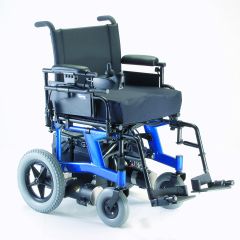 REHB030a - Selecting the Proper Wheelchair Cushion Features$42.00
This first course examines the basic goals of the seat cushion and how we can achieve these goals through various features and options. You should complete this course before beginning the course “REHB030b – Selecting the Proper Wheelchair Cushion Materials.”
Learn More -
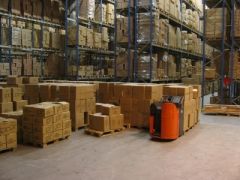 SAFE002a - Forklift Safety Training - Part 1$15.95
This course covers basic safety and component information, center of gravity, and operating hazards. You should complete this course before completing Part 2.
Learn More -
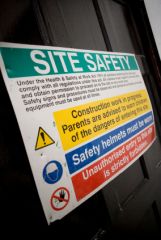 SAFE006a - Safety in the Workplace - Part 1$42.00
In this first part of the series, we'll address the areas of responsibility for enforcing safety rules within your company; how to identify, analyze and control hazards within your facility; the types of inspections you should be conducting in your workplace; and the type of safety training your company should be offering to your employees.
Learn More -
 REG102 - Fire Safety (1.0 HR)$15.95
Patients in health care facilities are especially vulnerable to a fire. Health care staff must be prepared to respond in the event of a fire. This self-study will help health care staff understand the basics of how fires occur and spread and how to prevent fires. Health care staff will increase their skills in recognizing fire hazards, preventing fires, and options for responding appropriately to a fire emergency.
Learn More -
 AGE012 - Marketing to Seniors$42.00
This course provides some effective approaches to selling to an ever-growing market of Americans: seniors, those 60 years of age and older.
Learn More -
 SAFE006b - Safety in the Workplace - Part 2$42.00
This is the second of a two-part series of courses that discusses a wide range of issues related to workplace safety. In this second part, we’ll address procedures to report and investigate accidents and other emergencies; basic safety rules and standards your company should consider adopting; how to handle hazard communication, bloodborne pathogens, safe electrical procedures, and process safety management.
Learn More -
 SAFE008 - Overview of Ergonomics$36.00
This course provides information about ergonomics that all health care providers should be aware of.
Learn More -
 DMGT005c - Overview of the Digestive System$36.00
This course provides an overview of the human digestive system, including a discussion of the major diseases that can affect it.
Learn More -
 SAFE012b - Ergonomics: Computer Workstations - Part 2$23.00
This course is the second of a 3-part series that illustrates simple, inexpensive principles that will help you create a safe and comfortable computer workstation.
Learn More -
 SAFE012c - Ergonomics: Computer Workstations - Part 3$23.00
This course is the third of a 3-part series that illustrates simple, inexpensive principles that will help you create a safe and comfortable computer workstation.
Learn More -
 HSAC100 - Home Safety Assessment Consultant (HSAC)$75.00
The Home Safety Assessment Consultant (HSAC) education course will teach you how to perform professional Home Safety Assessments. People need to modify their homes for many different reasons. The most common would be that a family member is beset with a mobility impairment due to injury, or people in elderhood want to Age in Place and to upgrade their home to reduce fall risks. The HSAC course will teach you to assess the safety hazards of the whole living quarters from driveway to the entrance, and every room on every floor of the home. We provide a Home Assessment guide and evaluation process to follow along with tips on how to educate the consumer on the risks their home has and possible recommended solutions.
The C.E.A.C. and the C.E.A.C. Mastery credentialing programs include course content from The Home Safety Assessment Consultant (HSAC).
Learn More -
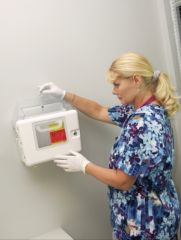 INF007 - Sharps Safety and Pharmaceutical Waste$15.95
This course contains two articles: one comparing active and passive technologies in sharps safety and the other describing the role of an infection control practitioner (ICP) in managing pharmaceutical waste.
Learn More -
 PEC022 - Introduction to Hospital Beds$20.00
This course introduces the new home medical equipment staff members to hospital beds.
Learn More -
 SAFE012a - Ergonomics: Computer Workstations - Part 1$23.00
This course is the first of a 3-part series that illustrates simple, inexpensive principles that will help you create a safe and comfortable computer workstation.
Learn More -
 SAFE013a - Traveling with HME Devices$36.00
This course addresses TSA guidelines and provides you, the home medical equipment supplier, with information that you can in turn provide to your traveling customers.
Learn More -
 INF012 - Cleaning and Disinfecting HME Equipment$15.95
This course provides a guide for cleaning and disinfecting many home medical products as well as the principles behind a variety of cleaning and disinfection procedures.
Learn More -
 REHB017 - Functional Knee Bracing$23.00
This course provides information that physical rehabilitation clinicians can use when deciding whether or not to use functional knee bracing during the treatment of significant knee joint injuries.
Learn More