
Search results for: 'Child and dependent adult abuse iowa'
- Related search terms
- child and dependentadult abuse for iowa mandatory reporters
- dependent adult abuse training
- dependent adult abuse for Iowa mandatory reporters
- Dependent abuse mandatory reportedr training
- child and descendent adult training
-
 HR014 - Identifying and Reporting Child Abuse$42.00
This course provides tips on identifying child abuse, and explains how you report your suspicions.
Learn More -
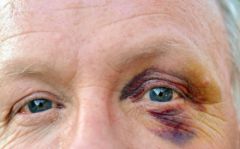 HR015 - Identifying and Reporting Elder Abuse$42.00
This course provides tips on identifying elder abuse, and explains how you can report your suspicions.
Learn More -
 HR019c – Cultural Competence in Healthcare - Part 3$42.00
In HR019c, you will learn about age-specific competency as it relates to people from newborn to preschool, school-age children, adolescents, young adults, middle-aged adults, and older adults. You will learn that to provide proper care, the caregiver’s communication, and approach should be appropriate for the person’s age.
Learn More -
 ALL115b - Age-Specific Considerations in Health Care$15.95
Purpose: This is the second part of a three-part series exploring cultures, ethnicities, age-appropriate care, and historical issues that affect the present health care climate. ALL115a covers cultural competency in health care, ALL115b highlights age-specific considerations in health care, and ALL115c addresses past and current issues of the health care industry, such as racism and discrimination, and how to respond as an individual and facility.
In this course, health care professionals will increase their understanding and skills in providing optimal care to individuals from varying age groups.
Learn More -
 BUS003 - Employment Law$15.95
This course will provide an overview of federal employment law and the principles on which it is based.
Learn More -
 Essentially Women Compliance Bundle$79.00
Essentially Women and VGM Education offer a bundle of courses commonly required by various accreditation bodies to be completed by staff on an annual basis. Courses cover HIPAA requirements, proper precautions to take against bloodborne pathogens, preventing Medicare fraud, recognizing and ethically responding to workplace discrimination, and developing emergency action plans.
Learn More -
 DMGT004 - Understanding Obesity$36.00
Over 40 percent of American adults have obesity, putting them at increased health risk for chronic diseases such as heart disease, Type 2 diabetes, high blood pressure, stroke and some forms of cancer. This course provides basic information about obesity.
Learn More -
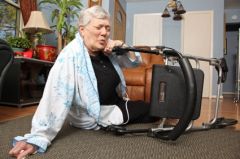 SAFE016 - Fall Prevention for the Aging Population$42.00
This course contains information about the prevalence and results of falls, and provides information that HME providers can share with their older clients to minimize the risk of falling.
Learn More -
 MGR101 - Leadership in Health Care: General Principles (1.5 HR)$20.95
The purpose of this course is to enhance the knowledge base of the audience in the area of general principles of health care leadership skills.
Learn More -
 ALL115a - Cultural Competence in Health Care (1.0 HR)$15.95
This is the first part of a three-part series exploring cultures, ethnicities, age-appropriate care, and historical issues that affect the present health care climate. ALL115a covers cultural competency in health care, ALL115b highlights age-specific considerations in health care, and ALL115c addresses past and current issues of the health care industry, such as racism and discrimination, and how to respond as an individual and facility.
Learn More -
 All115c - Cultural Competence Addressing Individual and Systemic Issues$15.95
Purpose: This is the final part of a three-part series exploring cultures, ethnicities, age-appropriate care, and historical issues that affect the present health care climate. ALL115a covers cultural competency in health care, ALL115b highlights age-specific considerations in health care, and ALL115c addresses past and current issues of the health care industry, such as racism and discrimination, and how to respond as an individual and facility.
In this course, learners will need to look not only at the systemic issues of racism in the industry, but also their own biases, prejudices, and influence on patients’/residents’ care. Becoming knowledgeable and more comfortable with often uncomfortable truths, acknowledging differences, and understanding the issues that both health care workers and patients/residents face are steps in breaking down historical barriers and broadening one’s perspectives.
Learn More