Search results for: 'basic lessons for understanding equipment for a common'
- Did you mean
- basic lessons for understanding equipment for a commun
- basic lessons for understanding equipment for a commod
- Related search terms
- basic lessons for understanding equipment for a ceac
- understanding post traumatic terms disorder
- basic lessons for understanding equipment for a commod
- basic lessons for understanding equipment for a cgmp
- Understanding the Medicare Supplier Standards
-
 DMGT004 - Understanding Obesity$36.00
Over 40 percent of American adults have obesity, putting them at increased health risk for chronic diseases such as heart disease, Type 2 diabetes, high blood pressure, stroke and some forms of cancer. This course provides basic information about obesity.
Learn More -
 DMGT005k Overview of the Urinary System$36.00
This course provides an overview of the urinary system including a discussion of the major disorders that can affect it.
Learn More -
 DMGT027 - Overview of Arthritis$36.00
This course provides an overview of two of the most common forms of arthritis: osteoarthritis and rheumatoid arthritis. This course also looks at a condition few people associate with children: juvenile arthritis.
Learn More -
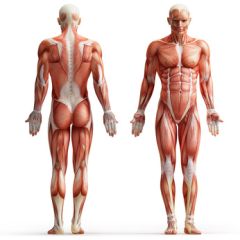 DMGT009 - Overview of Duchenne Muscular Dystrophy$36.00
This course examines Duchenne Muscular Dystrophy, the most common of the muscular dystrophies.
Learn More -
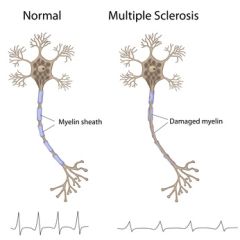 DMGT015 - Overview of Multiple Sclerosis$36.00
This course provides an overview of the disease, including descriptions of symptoms, causes and treatment options.
Learn More -
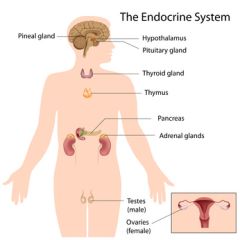 DMGT005j Overview of the Endocrine System$36.00
This course provides an overview of the endocrine system including a discussion of the major disorders that can affect it.
Learn More -
 DMGT014 - Overview of Parkinson's Disease$36.00
This course provides an overview of the disease, including descriptions of symptoms, causes and treatment options.
Learn More -
 DMGT026 - Overview of ALS$36.00
This course provides an overview of the disease commonly known as Lou Gehrig's Disease including descriptions of symptoms, causes and treatment options.
Learn More -
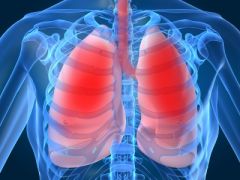 DMGT016 - Overview of Cystic Fibrosis$36.00
This course provides an overview of the disease, including descriptions of symptoms, causes and treatment options.
Learn More -
 DMGT001 - Disease Management Programs$36.00
Disease management is one approach that aims to provide better care while reducing the costs of caring for the chronically ill. This course was provided by the Center on an Aging Society.
Learn More -
 DMGT006 - Overview of Guillain-Barre Syndrome$42.00
This course provides an overview of the disorder, including descriptions of symptoms, causes and treatment options.
Learn More -
 DMGT024 - Overview of HIV/AIDS$42.00
This course provides an overview of HIV, how it is spread, its symptoms and diagnoses, and its vaccination.
Learn More -
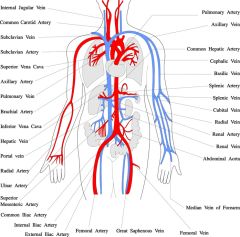 DMGT005e - Overview of the Circulatory System$36.00
This course provides an overview of the circulatory system including a discussion of the major disorders that can affect it.
Learn More -
 DMGT008a - Medical Terminology - Part 1$36.00
This course is based on the Short Course in Medical Terminology written by Dr. William J. Dyche, Professor of Anatomy, Des Moines University - Osteopathic Medical Center. Because these modules build on one another, it is highly recommended that you complete this series in order: Part 1, then Part 2, then Part 3.
Learn More -
 DMGT008b - Medical Terminology - Part 2$36.00
This course is based on the Short Course in Medical Terminology written by Dr. William J. Dyche, Professor of Anatomy, Des Moines University - Osteopathic Medical Center. Because these modules build on one another, it is highly recommended that you complete this series in order: Part 1, then Part 2, then Part 3.
Learn More -
 DMGT008c - Medical Terminology - Part 3$36.00
This course is based on the Short Course in Medical Terminology written by Dr. William J. Dyche, Professor of Anatomy, Des Moines University - Osteopathic Medical Center. Because these modules build on one another, it is highly recommended that you complete this series in order: Part 1, then Part 2, then Part 3.
Learn More