
Search results for: 'AGING AND STROKE'
- Related search terms
- aging in place
- aging
- aging and immobility
- aging and strides
- aging and series
-
 DMGT002 - Health Risks of Being Overweight$36.00
This course examines the health risks of being overweight, such as Type 2 diabetes, heart disease and stroke, cancer, sleep apnea, osteoarthritis, gallbladder disease, and fatty liver disease.
Learn More -
 DMGT004 - Understanding Obesity$36.00
Over 40 percent of American adults have obesity, putting them at increased health risk for chronic diseases such as heart disease, Type 2 diabetes, high blood pressure, stroke and some forms of cancer. This course provides basic information about obesity.
Learn More -
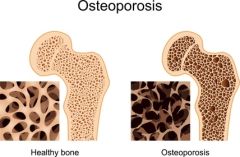 DMGT007 - Overview of Osteoporosis$36.00
Osteoporosis is a disease in which the density of bone is reduced, increasing the risk of fracture. Around the world, osteoporosis affects one in three women and one in five men over the age of 50. This course examines this serious world-wide health problem.
Learn More -
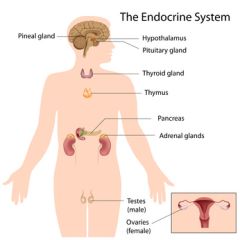 DMGT005j Overview of the Endocrine System$36.00
This course provides an overview of the endocrine system including a discussion of the major disorders that can affect it.
Learn More -
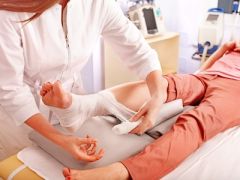 REHB028 - Overview of Foot and Ankle Injuries$42.00
This course provides an overview of foot and ankle anatomy, types of injuries, diagnosis, and treatment and prevention of foot and ankle injuries.
Learn More -
 SAFE024 Bariatric Hospital Bed Safety and Selection$42.00
This course will discuss current electric hospital bed standards and current regulatory processes in the United States. The course also provides a guide for selecting bariatric hospital beds and implications for future research.
Learn More -
 OWC003 - Prevention and Early Intervention of Wounds$23.00
This course focuses on wound healing and local aspects of wound care.
Learn More -
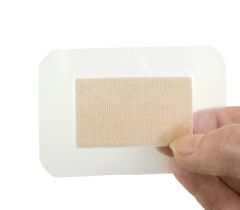 OWC004 - Skin Management: Prevention and Wound Care$23.00
This course provides information that can be used to establish assessment tools and care plans for patients who are at high risk for skin breakdown. This course was written by Mindy Owen, RN, CRRN, CCM, from information provided by MEDIQfst.
Learn More -
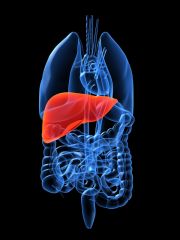 DMGT017 - Overview of Hepatitis C$42.00
This course provides an overview of hepatitis C virus (HCV) infection, symptoms, testing, prevention, available treatments, and outcomes.
Learn More -
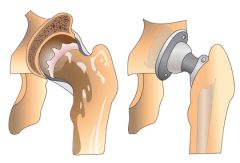 REHB027 Overview of Joint Replacement$36.00
This course provides an overview of hip and knee replacement including the risks and complications of such surgery.
Learn More -
 DMGT010 - Overview of Diabetes$36.00
This course provides an overview of the disease, providing definitions of diabetes and pre-diabetes, prevention tips and statistics related to one of the most under-diagnosed and deadly of diseases.
Learn More -
 DMGT005a - Overview of the Immune System$36.00
This course explains how the human immune system works, how vaccinations work to ward off existing and emerging infectious diseases, and some of the great strides that are being made to detect, treat and prevent disorders of the immune system.
Learn More -
 DMGT018 - Overview of Tuberculosis$42.00
This course provides an overview of the disease, distinguishing between active and latent TB, and explaining how a person is tested for TB.
Learn More -
 REHB019 - Spinal Cord Injury$23.00
This course provides information about spinal cord injuries (SCI) and the role a case manager plays in the acute and rehabilitation of persons with SCI.
Learn More -
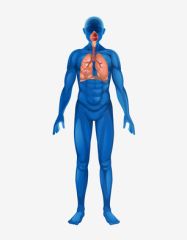 DMGT005b - Overview of the Respiratory System$36.00
The respiratory system is a group of organs and tissues that help humans breathe. The main parts of the respiratory system are the airways, the lungs and linked blood vessels, and the muscles that enable breathing. This course provides an overview of the human respiratory system.
Learn More -
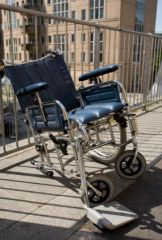 REHB030b - Selecting the Proper Wheelchair Cushion Materials$42.00
This course will delve specifically into the features and benefits of different cushion materials (foams, polymer gels, thermoplastic elastomers, viscous fluids and air) and how they address our cushion goals. You should complete the first part of this series – “REHB030a – Selecting the Proper Wheelchair Cushion Features” – before beginning this course.
Learn More -
 DMGT023 - Overview of Hepatitis B$42.00
This course provides an overview of hepatitis B, how it is spread, its symptoms and diagnoses, and its vaccination.
Learn More -
 DMGT024 - Overview of HIV/AIDS$42.00
This course provides an overview of HIV, how it is spread, its symptoms and diagnoses, and its vaccination.
Learn More -
 DMGT005i Overview of the Reproductive System$36.00
This course provides a general overview of the structure and function of the male and female reproductive systems including a discussion of the major diseases that can affect them.
Learn More -
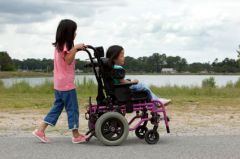 DMGT034 - Overview of Cerebral Palsy$36.00
This course provides an overview of cerebral palsy including its symptoms, causes, risk factors, complications, and how the condition is diagnosed and treated.
Learn More -
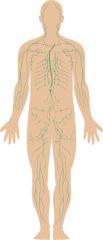 DMGT005g - Overview of the Lymphatic System$36.00
This course provides an overview of the lymphatic system including a discussion of the major diseases that can affect it. Identify and explain the three parts and three principal functions of the lymphatic system.
Learn More -
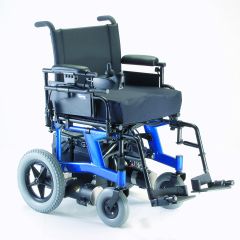 REHB030a - Selecting the Proper Wheelchair Cushion Features$42.00
This first course examines the basic goals of the seat cushion and how we can achieve these goals through various features and options. You should complete this course before beginning the course “REHB030b – Selecting the Proper Wheelchair Cushion Materials.”
Learn More -
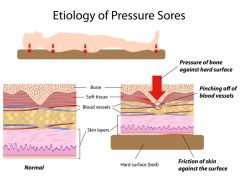 OWC006a - Overview of Pressure Ulcer Etiology - Part 1$23.00
Although ultimately discussion will focus on pressure ulcers, this first part provides foundational knowledge regarding the skin, normal physiology of healing and factors affecting healing and repair. You should complete this series of courses in order: Part 1, followed by Part 2, followed by Part 3.
Learn More -
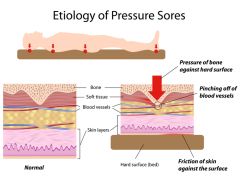 OWC006b - Overview of Pressure Ulcer Etiology - Part 2$23.00
This course will review the National Pressure Ulcer Advisory Panel (NPUAP) staging guidelines of pressure ulcers and the risk factors for developing a pressure ulcer. You should complete Part 1 of this series before starting this course, and you should complete this course before starting Part 3.
Learn More -
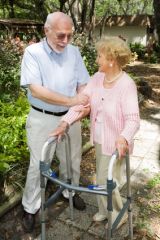 PEC018 - Introduction to Ambulatory Aids$36.00
This course introduces the new home medical equipment staff member to standard ambulatory aids (canes, crutches and walkers). Because of the multitude of brands of ambulatory aids and accessories on the market, this course will cover ambulatory aids in the broadest generic terms. For specific information related to a particular brand of ambulatory aid, please consult the vendors.
Learn More