Search results for: 'patient list'
- Related search terms
- patient care
- patient rights
- PATIENTS RIGHTS AND RES
- patient education
- patient rights and re
-
 HR017 - Meth and Selling Scheduled Listed Chemical Products$36.00
Methamphetamine addiction has grown to epidemic proportions in the United States. Chemicals used to make meth include ephedrine, pseudoephedrine, and phenylpropanolamine which are found in many cough and cold products and are known as “scheduled listed chemical products” (or SLCPs). Recent federal legislation requires all “regulated sellers” of products containing these three products to self-certify with the Drug Enforcement Administration (DEA) before selling the products. While this course does not satisfy the DEA's self-certifying requirement, it does provide the information the DEA requires in order to self-certify.
Learn More -
 HR016 - Patient Rights and Responsibilities$36.00
People who are consumers of health care have rights, including the right to receive quality care. Along with those rights come certain responsibilities. This course explains what those rights and responsibilities are as defined in 1997 by the Advisory Commission on Consumer Protection and Quality in the Health Care Industry.
Learn More -
 HR013 - Advance Directives$42.00
With an advance directive, patients can make known their wishes for future medical care in the event they become unable to make their own decisions about health care. This course provides information about the types of advance directives available.
Learn More -
 HR019a – Cultural Competence in Healthcare - Part 1$42.00
In this course, you will learn about basic concepts of cultural diversity including values and worldview. You will also learn how cultural verbal and non-verbal communication differences affect your ability to care for patients.
Learn More -
 HR023 - Addressing Individual and Systemic Issues$39.00
In this course, learners will need to look not only at the systemic issues of racism in the health care industry, but also their own biases, prejudices, and influence on patients’ care. Becoming knowledgeable and more comfortable with often uncomfortable truths, acknowledging differences, and understanding the issues that both health care workers and patients face are steps in breaking down historical barriers and broadening one’s perspectives.
Learn More -
 HR025 - The Importance of Effective Communication in Health Care$36.00
Health care workers in home care will learn the elements of effective communication, as well as techniques to implement within their workplace that will enhance their connections with colleagues and patients. Challenges to communication are addressed in this course as well as ways to best communicate with teammates and patients, and staff in other facilities or hospitals. Topics include considerations for personal preferences and identifiers, such as in persons with disabilities; cultural norms; inter- and intra-facility communication; and effective communication methods.
Learn More -
 HR018 - Communication: What is It?$42.00
This online course will help you understand the basics of communication.
Learn More -
 BUS018 - Business Ethics$42.00
This course covers the topic of business ethics. Ethics is a challenging topic in the workplace because not every problem has a single correct solution. This course is intended to give you guidelines and get you thinking about ethical decisions in business.
Learn More -
 HR019c – Cultural Competence in Healthcare - Part 3$42.00
In HR019c, you will learn about age-specific competency as it relates to people from newborn to preschool, school-age children, adolescents, young adults, middle-aged adults, and older adults. You will learn that to provide proper care, the caregiver’s communication, and approach should be appropriate for the person’s age.
Learn More -
 HR011 - Strategies for Working on a Healthcare Team$15.95
This course discusses strategies you can use when working on healthcare teams.
Learn More -
 HR019b – Cultural Competence in Healthcare - Part 2$42.00
In HR019b, you will learn how racial and cultural differences may affect health care needs and how care is delivered. You will also learn that religious beliefs are also common sources of conflict and misunderstanding in a health care setting. Religious and spiritual beliefs may also affect a person's needs relating to health care, death, and dying.
Learn More -
 HR022 - LGBTQ in Health Care$36.00
LGBTQ individuals have faced many challenges that have kept them in the closet or forced them back into the closet because of discrimination and bullying from friends and family, health care workers, and the general public. This self-study will help health care staff understand LGBTQ terminology and ways to provide compassionate, LGBTQ-informed care.
Learn More -
 HR021 - Cultural Differences in Death & Dying$36.00
The purpose of this course is to understand the cultural importance of the individual and those directly affected, including family and friends, in dealing with illness and death. As the U.S. becomes more ethnically and racially diverse and culturally complex, there is a need for understanding how to work with individuals who have different values, health beliefs, and perspectives about health and wellness than your own or those you are familiar with.
Continuing Education: VGM Education is authorized by IACET to offer 0.1 CEUs for this program.
Learn More -
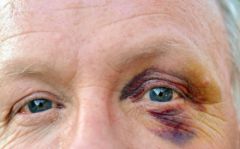 HR015 - Identifying and Reporting Elder Abuse$42.00
This course provides tips on identifying elder abuse, and explains how you can report your suspicions.
Learn More -
 HR014 - Identifying and Reporting Child Abuse$42.00
This course provides tips on identifying child abuse, and explains how you report your suspicions.
Learn More