
NUR113 - Parkinson’s Disease: Pathophysiology and Medications (2.0 HR)
This course explores the main classifications of Parkinson’s disease and management of this debilitating illness.
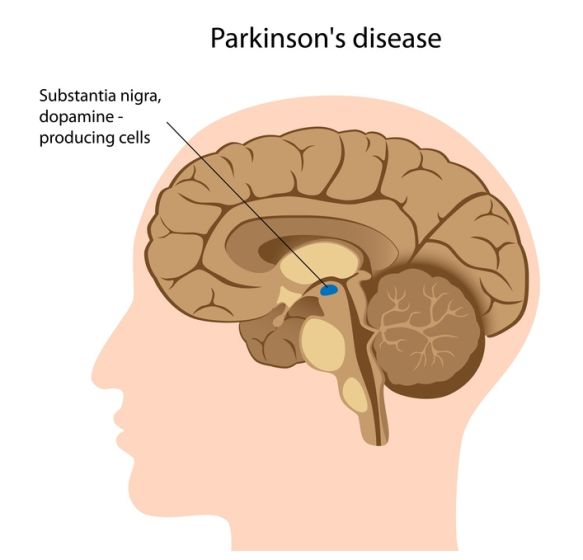
Purpose: Parkinson's disease (PD) is one of the most common degenerative diseases of the nervous system, affecting approximately 1 million people in the United States. The disease typically pursues a slow but progressive course for 15 to 20 years, culminating in severe disability. Because there is no known cure for Parkinson's disease at this time, the aim of treatment is to keep the patient comfortable and functional for as long as possible. This course explores the main classifications of Parkinson's disease and management of this debilitating illness.
Objectives
Upon completion of this course, you should be able to:
1. Differentiate the two main classifications of parkinsonism.
2. Discuss the major movement and non-movement symptoms seen in Parkinson's disease.
3. Describe the clinical course of primary parkinsonism.
4. Discuss the role of the various caregivers and the utilization of physical, speech, and occupational therapy in the management of Parkinson's disease.
5. Explain at least four nursing diagnoses, with rationale, pertinent to patients with Parkinson's disease.
6. Discuss pharmacologic management of Parkinson's disease.
Continuing Education Credits: 2.0 contact hours Iowa BON #335; 2.0 contact hours CA Board of Nursing CEP 14033; 2.0 contact hours CE Broker # 50-4572 Florida and District of Columbia; 0 contact hours for Social Work State of Illinois Department of Financial and Professional Regulation. License No. 159.001315; 2.0 contact hours for Physical Therapy State of Illinois Department of Financial and Professional Regulation. License No. 216.000284; 2.0 contact hours for Occupational Therapy State of Illinois Department of Financial and Professional Regulation. License No. 224.000164; 2.0 CE hours for certified nursing assistants; long term care department heads; and other health care disciplines.