Search results for: 'Understanding Rehab Medical Terminology in Relation to Rehab Technology'
- Related search terms
- Medical terminology part 1
- understanding post traumatic term disorder
- rehab with and blue42 tens training
- rehab with and base term training
- medical retain
-
 SAFE009 - Back Safety$42.00
This course focuses on recognizing common back injury risk factors, understanding how work tasks contribute to strain, and identifying safer alternatives to manual lifting. Emphasis is placed on hazard recognition, use of equipment and assistance, proper task planning, and work practices that support back health and reduce injury risk.
Learn More -
 SAFE007 - Toxicology and Exposure$23.00
This course is a brief study of general toxicological principles to the extent that you may understand and guard against the toxic effects of the materials found in the workplace or job site.
Learn More -
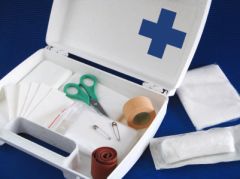 SAFE020 - Basic First Aid$42.00
This course is designed to provide you with awareness of basic first aid principles and the importance of first aid training courses. This information is only a guide. It is not a substitute for training or professional medical assistance.
Learn More -
 SAFE006b - Safety in the Workplace - Part 2$42.00
This is the second of a two-part series of courses that discusses a wide range of issues related to workplace safety. In this second part, we’ll address procedures to report and investigate accidents and other emergencies; basic safety rules and standards your company should consider adopting; how to handle hazard communication, bloodborne pathogens, safe electrical procedures, and process safety management.
Learn More -
 SAFE008 - Overview of Ergonomics$36.00
Ergonomics is the practice of designing work tasks, equipment, and work environments to fit the capabilities of the worker. This course provides an overview of ergonomic principles and common risk factors that health care and HME/DME providers should be aware of to help reduce physical strain and prevent work related musculoskeletal disorders.
Learn More -
 SAFE011 - Indoor Air Quality$23.00
This course provides information about the types of health problems that indoor air contaminants can create, and recommendations that employers can implement to safeguard against those problems. Learning objectives: 1. List the primary sources of indoor air quality problems; 2. Identify the two types of building problems that cause employee complaints; 3. List the main indoor pollutants and sources; 4. Describe how to investigate office-related complaints; 5. Explain how OSHA conducts indoor air quality inspections; 6. Describe what an employer can do to prevent or alleviate indoor air quality problems. To successfully complete this course, you must attain a minimum score of 80% on the final exam and complete the course training survey. Continuing education: VGM Education is authorized by IACET to offer 0.1 CEUs for this program.
Learn More -
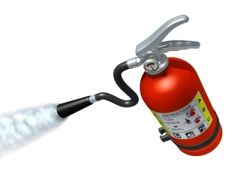 SAFE019 - Fire Extinguisher Systems$42.00
This course covers the use, limitations, and regulatory requirements related to portable fire extinguishers and fixed fire extinguishing systems in the workplace.
This course is designed to be taken in conjunction with:
- SAFE017 – Developing an Emergency Action Plan
- SAFE018 – Developing a Fire Prevention Plan
Together, these courses provide a comprehensive emergency preparedness training program. You should complete SAFE017 and SAFE018 before taking this course.
Learn More -
SAFE033 - Effective Workplace Violence Prevention Programs (0.1 IACET)$42.00
For many years, health care and social service workers have faced a significant risk of job-related violence. Assaults represent a serious safety and health hazard within these industries. OSHA’s violence prevention guidelines provide the agency’s recommendations for reducing workplace violence.
Learn More -
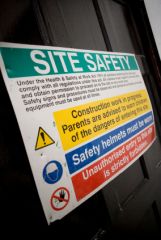 SAFE006a - Safety in the Workplace - Part 1$42.00
In this first part of the series, we'll address the areas of responsibility for enforcing safety rules within your company; how to identify, analyze and control hazards within your facility; the types of inspections you should be conducting in your workplace; and the type of safety training your company should be offering to your employees.
Learn More