Search results for: 'SKIN MANAGMENT'
- Did you mean
- skin management
- Related search terms
- skin management
- skin management prevention and wound care
- skin management prevention and wounds care
- skin types
- skin type
-
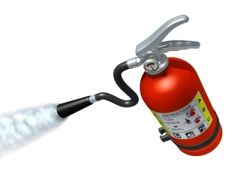 SAFE019 - Managing Fire Extinguisher Systems$42.00
This course covers the use, limitations, and regulatory requirements related to portable fire extinguishers and fixed fire extinguishing systems in the workplace from an employer’s perspective.
This course is designed to be taken in conjunction with:
- SAFE017 – Developing an Emergency Action Plan
- SAFE018 – Developing a Fire Prevention Plan
Together, these courses provide a comprehensive emergency preparedness development program. You should complete SAFE017 and SAFE018 before taking this course.
Learn More -
 SAFE006b - Safety in the Workplace - Part 2$42.00
This is the second of a two-part series of courses that discusses a wide range of issues related to workplace safety. In this second part, we’ll address procedures to report and investigate accidents and other emergencies; basic safety rules and standards your company should consider adopting; how to handle hazard communication, bloodborne pathogens, safe electrical procedures, and process safety management.
Learn More -
 SAFE018 - Developing a Fire Prevention Plan$36.00
A fire prevention plan (FPP) is a written document required by particular OSHA standards. The purpose of an FPP is to outline major fire hazards and the steps that a company takes to prevent a fire from occurring in the workplace. This course is intended to help safety coordinators develop a fire prevention plan that complies with OSHA standards. (Health care employees should take SAFE030 – Fire Safety instead.)
You should complete “SAFE017 - Developing an Emergency Action Plan” before taking this course, and you should complete this course before taking the “SAFE019 – Managing Fire Extinguisher Systems” course.
Learn More -
SAFE032 - OSHA Workplace Safety Training (0.1 IACET)$42.00
To identify ways to promote environmental safety in the health care setting. Every facility should be safe for their patients/residents and staff. This course will review some of the basic elements of environmental safety for long-term care facilities. Key points on the topics of fire safety, hazard communication, lockout/tagout, internal disaster preparedness, and water management are included. U.S. Occupational Safety and Health Administration (OSHA) is the federal agency responsible for oversight of employee safety. The guidelines in this course are based on OSHA regulations.
Learn More -
 SAFE007 - Toxicology and Exposure$23.00
This course is a brief study of general toxicological principles to the extent that you may understand and guard against the toxic effects of the materials found in the workplace or job site.
Learn More -
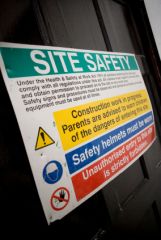 SAFE006a - Safety in the Workplace - Part 1$42.00
In this first part of the series, we'll address the areas of responsibility for enforcing safety rules within your company; how to identify, analyze and control hazards within your facility; the types of inspections you should be conducting in your workplace; and the type of safety training your company should be offering to your employees.
Learn More -
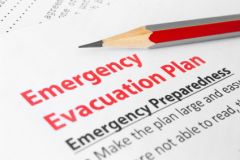 SAFE017 - Developing an Emergency Action Plan$36.00
An emergency action plan (EAP) is a written document required by particular OSHA standards. The purpose of an EAP is to facilitate and organize employer and employee actions during workplace emergencies. If you are required to have an EAP, this course will guide you through the development of an EAP. Note: This training is intended for safety coordinators and others who may assist in developing an EAP.
Learn More