
Search results for: 'what is my ulcer non'
- Did you mean
- what is my ulcer none
- Related search terms
- non invasive vent
- none invasive ventilation policy
- what is my ulcer nmes
- none progressive parkinson
- what is my ulcer notice
-
 DMGT038b - Overview of Breast Cancer$42.00
This course provides an overview of breast cancer, the most common form of non-skin cancer among women in the United States. This course explains the basics of what breast cancer is and its incidence.
Learn More -
 DMGT012 - Eating and Diabetes$36.00
This course describes what people can do to keep their blood glucose at a healthy level. Before taking this course, you should complete the course DMGT010 - Overview of Diabetes.
Learn More -
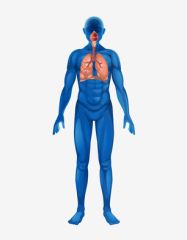 DMGT005b - Overview of the Respiratory System$36.00
The respiratory system is a group of organs and tissues that help humans breathe. The main parts of the respiratory system are the airways, the lungs and linked blood vessels, and the muscles that enable breathing. This course provides an overview of the human respiratory system.
Learn More -
 DMGT008a - Medical Terminology - Part 1$36.00
This course is based on the Short Course in Medical Terminology written by Dr. William J. Dyche, Professor of Anatomy, Des Moines University - Osteopathic Medical Center. Because these modules build on one another, it is highly recommended that you complete this series in order: Part 1, then Part 2, then Part 3.
Learn More -
 DMGT008b - Medical Terminology - Part 2$36.00
This course is based on the Short Course in Medical Terminology written by Dr. William J. Dyche, Professor of Anatomy, Des Moines University - Osteopathic Medical Center. Because these modules build on one another, it is highly recommended that you complete this series in order: Part 1, then Part 2, then Part 3.
Learn More -
 DMGT008c - Medical Terminology - Part 3$36.00
This course is based on the Short Course in Medical Terminology written by Dr. William J. Dyche, Professor of Anatomy, Des Moines University - Osteopathic Medical Center. Because these modules build on one another, it is highly recommended that you complete this series in order: Part 1, then Part 2, then Part 3.
Learn More